
Japanese serving trays, crafted from exquisite wood, are more than just functional vessels; they embody centuries of artistry and cultural significance. From intricate designs to carefully chosen woods, each tray tells a story. Their enduring appeal lies in their ability to seamlessly blend beauty with practicality, transforming everyday meals into refined experiences.
This exploration delves into the world of Japanese serving tray wood, examining the diverse range of woods used, the meticulous construction techniques, and the rich historical context surrounding their creation. The evolution of these trays from ancient times to modern interpretations will be examined, alongside the factors influencing their value and availability.
Defining Japanese Serving Trays
Japanese serving trays, integral to the nation’s rich culinary and aesthetic traditions, transcend mere functional objects. Their design often reflects the harmony sought in Japanese aesthetics, from the natural wood grains to the carefully considered shapes. More than simply holding food, these trays convey respect for the ingredients and the act of sharing.Traditional Japanese serving trays, often crafted from wood, are meticulously designed to enhance the presentation of dishes.
Their subtle beauty and functional elegance contribute to the overall dining experience, adding a layer of cultural nuance to any meal.
Materials and Construction
The selection of wood for Japanese serving trays is crucial. Common choices include polished hardwoods like cherry, maple, and oak, renowned for their durability and attractive grain patterns. The grain of the wood is often left visible, showcasing the natural beauty of the material. These materials are not just selected for their aesthetic appeal, but also for their inherent properties like resistance to moisture and ability to maintain shape over time.
Furthermore, the selection process considers the weight and balance required for optimal use.
Aesthetic and Cultural Significance
Japanese serving trays embody a deep appreciation for natural beauty. The emphasis on simplicity and elegance, evident in the minimalist design choices, reflects the broader aesthetic sensibilities of Japanese culture. Their ability to elevate the presentation of food speaks to the Japanese cultural value of appreciating beauty in all aspects of life, from the natural world to the everyday objects that surround us.
The careful selection of materials and meticulous craftsmanship further underscores the importance of quality and attention to detail in Japanese culture. Trays are often used to emphasize the delicate nature of the ingredients, whether a single piece of fresh fruit or a meticulously arranged platter of delicacies.
Shapes, Sizes, and Styles
Japanese serving trays are available in a wide array of shapes and sizes. Rectangular trays are common, reflecting a sense of order and structure. Circular trays, on the other hand, evoke a sense of completeness and wholeness, often associated with the natural world. Variations include square and oval shapes, each conveying a distinct aesthetic and functional quality.
The sizes vary greatly, ranging from small, delicate trays for appetizers to larger platters suitable for elaborate meals. The choice of shape and size is directly correlated with the specific purpose of the tray and the type of food being presented.
Finishes and Treatments
The finishes applied to Japanese wooden serving trays are carefully selected to complement the natural beauty of the wood. A common method involves applying a clear lacquer or varnish to protect the wood from moisture and wear while preserving its natural grain. Other techniques, like applying a subtle stain, can enhance the wood’s natural color and tone. The application of these finishes is a crucial step in the crafting process, ensuring the tray’s longevity and visual appeal.
Furthermore, the finishing process aims to maintain the natural beauty of the wood grain, preserving the authenticity of the material and enhancing its aesthetic appeal.
Types of Wood Used
Japanese serving trays, a testament to meticulous craftsmanship, often showcase the beauty and unique properties of various wood types. The selection of wood directly impacts the tray’s aesthetic appeal, durability, and overall quality. Different woods lend themselves to specific aesthetic preferences and functional requirements, influencing the final product’s character.
Common Wood Types
The choice of wood for Japanese serving trays is highly selective, influenced by traditional aesthetics and practical considerations. Several types of wood are commonly favored for their desirable grain patterns, density, and resistance to moisture and warping. These woods often exhibit a natural beauty that enhances the presentation of the food or items displayed on the tray.
Characteristics and Properties
- Japanese Cherry (Sakura): Known for its distinctive reddish-pink hues and fine, straight grain, Japanese cherry offers a beautiful aesthetic. Its moderate density provides a balance between strength and workability. However, its relatively softer nature may require more careful handling and protection against moisture damage.
- Zelkova: This hardwood is prized for its rich, warm brown tones and tight, uniform grain. Zelkova exhibits exceptional durability and resistance to warping, making it an excellent choice for long-term use. Its density contributes to its resilience and strength. However, its slightly heavier weight might not be ideal for very delicate or ornate tray designs.
- Ebony: A highly sought-after option due to its striking black color and exceptionally dense texture. Ebony’s density makes it remarkably strong and resistant to damage. However, its high cost reflects the scarcity and specialized nature of its sourcing. Its hardness can also make it challenging to work with for intricate designs.
- Mahogany: Often displaying a rich reddish-brown hue, mahogany’s medium density provides a good balance between strength and workability. It’s appreciated for its aesthetic qualities and relatively high durability. However, the availability and cost of quality mahogany may vary depending on sustainable sourcing practices.
- Oak: With its characteristic grain patterns and reddish-brown tones, oak is a versatile choice. Its relatively high density provides good strength and resistance to wear. Oak’s natural durability makes it suitable for both everyday use and special occasions. However, variations in the grain pattern can affect the aesthetic appeal.
Environmental Impact
Sustainable forestry practices are crucial when selecting wood for Japanese serving trays. The responsible sourcing of wood ensures the preservation of forests and minimizes environmental impact. Consumers and artisans alike are increasingly prioritizing wood sourced from sustainably managed forests to support environmentally conscious practices. Certification programs, such as the Forest Stewardship Council (FSC), play a vital role in verifying the sustainability of wood procurement.
The long-term environmental impact should be carefully considered alongside the aesthetic and functional benefits of the wood.
Comparative Analysis
| Wood Type | Grain | Density | Durability | Suitability for Japanese Serving Trays |
|---|---|---|---|---|
| Japanese Cherry | Fine, straight | Moderate | Good, but needs moisture protection | Excellent for delicate aesthetic appeal |
| Zelkova | Tight, uniform | High | Excellent | Ideal for long-term use and strength |
| Ebony | Dense, uniform | Very High | Exceptional | Excellent for high-end trays, but costly |
| Mahogany | Varied, often rich | Medium | Good | Versatile option for both aesthetics and durability |
| Oak | Characteristic | High | Very Good | Suitable for daily use and special occasions |
Design and Construction Techniques
Japanese serving trays, meticulously crafted from wood, are testaments to the enduring tradition of Japanese artistry. Their beauty stems not only from the choice of wood but also from the precise techniques employed in their creation. These methods, passed down through generations, emphasize meticulous attention to detail, showcasing the deep respect for the material and the craft.Traditional Japanese woodworking, as exemplified in serving tray creation, prioritizes the harmony between form and function.
The design reflects a deep understanding of aesthetics and practicality, aiming to enhance the presentation of food and create a welcoming atmosphere. This approach often involves a combination of hand-tooling and, in some cases, the use of simple power tools, demonstrating a balance between age-old techniques and modern practicality.
Traditional Wood Preparation
The selection of wood is critical, with specific types chosen for their grain patterns, color, and durability. Once chosen, the wood is meticulously prepared. This involves careful seasoning to minimize warping and shrinkage. The wood is then meticulously planed and sanded to achieve a smooth, even surface. The process requires precision and an understanding of the wood’s natural properties to ensure optimal results.
Shaping and Carving Techniques
Japanese woodworking often utilizes a range of hand tools for shaping and carving. Chisels, planes, and saws are employed to create the desired contours and forms of the tray. The intricate designs, often incorporating subtle curves and angles, highlight the mastery of the craftsman. The tools are used with precision and dexterity to shape the wood into the intended form.
The craftsman’s understanding of wood grain and its inherent characteristics is crucial in achieving a natural and seamless finish.
Joinery Methods
Japanese joinery techniques are renowned for their strength and aesthetic appeal. They often utilize methods that minimize the use of fasteners, emphasizing the inherent strength of the wood itself. This approach creates a unified and visually appealing piece.
- Mortise and Tenon: This traditional method involves cutting a rectangular hole (mortise) into one piece of wood and a corresponding projection (tenon) on another. The tenon is then fitted into the mortise, creating a strong and stable joint. This technique ensures a snug fit and prevents the tray from separating.
- Dovetail: This joinery method features interlocking shapes that create a remarkably strong and secure connection. The dovetail joint, with its distinctive interlocking tails, adds strength and aesthetic appeal to the tray, and contributes to the longevity of the finished product. This approach is particularly effective in areas where strength is critical.
- Lap Joint: This simple but effective method involves overlapping two pieces of wood. A simple lap joint is a visually pleasing and straightforward approach to joining wood pieces. The resulting joint is both strong and visually appealing.
Precision and Craftsmanship
The creation of a Japanese serving tray is a meticulous process that demands the utmost precision and dedication. Craftsmanship is paramount. Each step, from selecting the wood to shaping and joining the pieces, requires a deep understanding of the material and a commitment to quality. The resulting tray is not merely a functional object but a work of art that reflects the skill and artistry of the craftsman.
| Joinery Method | Description | Strength | Aesthetic |
|---|---|---|---|
| Mortise and Tenon | Recessed hole and projecting tenon | High | Strong, clean |
| Dovetail | Interlocking tails | Very High | Complex, visually appealing |
| Lap Joint | Overlapping pieces | Moderate | Simple, practical |
Practical Applications and Uses
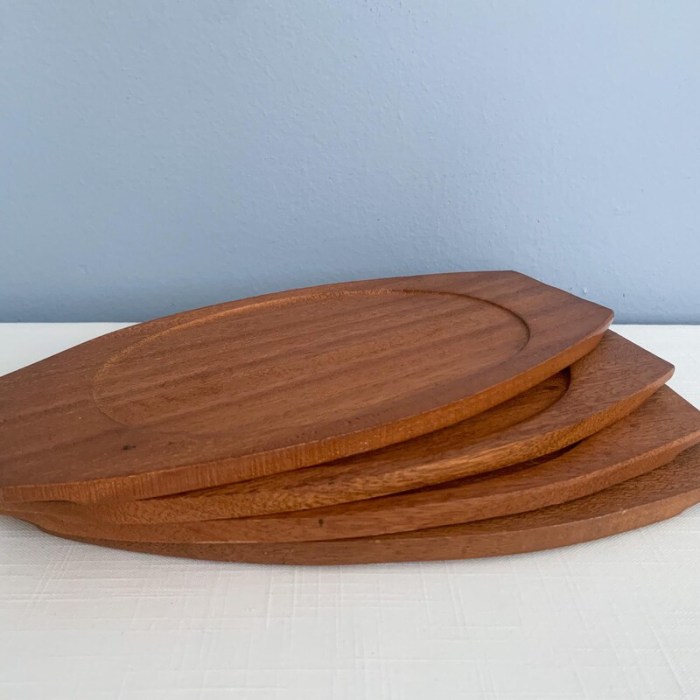
Japanese serving trays, meticulously crafted from diverse woods, transcend their functional role. Beyond simply holding food, they become integral elements of the dining experience, reflecting a deep-rooted appreciation for aesthetics and cultural tradition. These trays, with their distinct designs and construction techniques, are employed in a wide array of settings, from casual gatherings to formal ceremonies, seamlessly blending practicality with artistry.Japanese serving trays are versatile tools in everyday life, adaptable to various meal presentations.
Their aesthetic appeal and functional design make them ideal for both casual meals and formal gatherings.
Everyday Uses
Japanese serving trays are frequently used for everyday meals, enhancing the presentation and enjoyment of food. Their smooth surfaces and varied designs contribute to the overall aesthetic of the dining experience. Trays can be used to present a range of dishes, from simple breakfast items to more elaborate lunches and dinners. The natural warmth and texture of the wood often complement the food’s presentation, particularly when serving dishes like sushi, sashimi, or bento boxes.
Formal Settings
In formal settings, Japanese serving trays take on an even greater significance. Their elaborate designs and refined craftsmanship highlight the occasion’s importance. They are frequently used to serve elaborate dishes during special events like weddings, tea ceremonies, or traditional festivals. The choice of tray, often influenced by the event’s theme and the formality of the occasion, contributes significantly to the overall presentation.
For example, a richly lacquered tray might be used for a high-profile banquet, while a more understated tray might be suitable for a smaller, more intimate gathering.
Aesthetic Contribution
The design of Japanese serving trays is not merely decorative; it profoundly influences the aesthetic appeal of a meal. The wood’s natural grain, the tray’s shape, and the intricate carvings, when present, contribute to a harmonious visual balance. The subtle variations in wood tones and textures can highlight the colors and shapes of the food arranged on the tray, creating a visually appealing composition.
This careful consideration of aesthetics extends beyond simply arranging food; it also involves the overall ambiance of the dining space, emphasizing the significance of the meal.
Commonly Served Foods
Japanese serving trays are frequently used to present a wide array of foods. Sushi, sashimi, and various other types of Japanese seafood dishes are common choices. The delicate presentation of these items often benefits from the tray’s smooth surface and subtle design elements. Also, Japanese dishes like bento boxes are beautifully showcased on wooden trays, highlighting the individual components of the meal.
The variety of dishes served on these trays reflects the diverse culinary traditions of Japan.
Significance in Cultural Practices
Japanese serving trays play a significant role in various cultural practices, particularly in tea ceremonies. Specific types of trays are often associated with particular tea ceremonies or cultural events, reflecting the importance of the occasion. The meticulous selection of a tray, its design, and its materials all contribute to the overall atmosphere of the ceremony. Furthermore, the tray’s presence symbolizes respect for tradition and appreciation for craftsmanship.
The use of trays in these ceremonies signifies more than just practicality; it represents the cultural significance of the act of serving itself.
Historical Context and Evolution
From humble beginnings as simple serving platters, Japanese serving trays have evolved into sophisticated works of art, reflecting changing aesthetics, social customs, and technological advancements. Their history mirrors Japan’s own rich cultural tapestry, showcasing a continuous interplay of tradition and innovation. This evolution is particularly evident in the materials selected, the design motifs, and the craftsmanship employed.The history of Japanese serving trays is intrinsically linked to the country’s broader cultural and artistic development.
Early examples, often crafted from readily available woods, served practical functions within the home and at social gatherings. Over time, however, the aesthetic importance of these trays increased, leading to more elaborate designs and the use of higher-quality, often exotic, woods.
Early Period (Pre-Meiji Era)
The earliest Japanese serving trays, dating back centuries, were primarily utilitarian. They were crafted from readily available woods like pine and cypress, reflecting the practical needs of the time. Design motifs were often simple, perhaps featuring natural patterns or symbolic elements inherent to the wood itself. This era showcases the close relationship between the craft of tray making and the natural resources of Japan.
Meiji and Taisho Eras (Late 19th and Early 20th Centuries)
The Meiji and Taisho periods witnessed significant shifts in Japanese society, and this is mirrored in the evolution of serving trays. The rise of a more sophisticated middle class and increased exposure to Western design elements influenced the design of trays. Trays began incorporating more intricate carvings and decorative elements, often featuring Western-inspired patterns. Furthermore, the availability of more exotic woods from overseas contributed to the aesthetic refinement.
Showa and Heisei Eras (Mid-20th to 21st Centuries)
The Showa and Heisei eras saw a resurgence of traditional craftsmanship, coupled with contemporary interpretations. Traditionally-trained artisans continued to create exquisite trays using traditional techniques, while simultaneously incorporating modern designs and materials. This period showcases the enduring appeal of Japanese craftsmanship while adapting to evolving trends and preferences.
Timeline of Key Milestones
| Year | Event | Description |
|---|---|---|
| 12th Century | Emergence of simple wooden trays | Initial development using readily available woods. |
| 17th Century | Development of intricate carving techniques | Elaborate designs began to appear. |
| 19th Century | Influence of Western aesthetics | Integration of Western patterns and designs. |
| 20th Century | Modern interpretations of traditional techniques | Craftsmanship combined with contemporary designs. |
Modern Interpretations and Variations
Japanese serving trays, steeped in centuries of tradition, are now undergoing a renaissance. Contemporary artisans are reimagining these time-honored objects, infusing them with fresh perspectives and modern sensibilities. This evolution reflects a broader trend in design where historical craftsmanship meets innovative approaches.Modern interpretations are not simply about superficial modifications; they delve into the core principles of functionality, aesthetics, and material exploration, while honoring the legacy of Japanese artistry.
This fusion of old and new often results in pieces that are both strikingly contemporary and deeply rooted in tradition.
Contemporary Designs and Variations
Modern Japanese serving trays exhibit a fascinating range of designs, moving beyond the traditional rectangular or square shapes. Sculptural forms, organic lines, and asymmetrical layouts are becoming increasingly common. The focus is often on creating pieces that are not only visually engaging but also seamlessly integrate into modern interiors.
Reinterpreting Traditional Forms
Contemporary artisans are re-evaluating the traditional forms and proportions of Japanese serving trays. They may adjust the depth of the tray, alter the shape of the handles, or introduce subtle curves to create a sense of dynamism and visual interest. This reinvention often involves a careful study of the original designs, seeking inspiration in the details and subtle nuances of the traditional craft.
Influence of Contemporary Design Trends
Contemporary design trends, such as minimalism, are influencing the aesthetic choices made in modern Japanese serving trays. The emphasis on clean lines, simple forms, and the use of natural materials is evident in many contemporary designs. However, these modern interpretations often retain the essence of Japanese aesthetics, including the focus on natural materials and mindful design.
Emerging Materials and Techniques
The use of sustainable and ethically sourced materials is gaining traction in modern Japanese serving trays. Bamboo, reclaimed wood, and even innovative composite materials are finding their way into contemporary designs. Advanced techniques like laser cutting and CNC machining are enabling intricate patterns and designs that were previously impossible to achieve with traditional methods. This integration of advanced technology with traditional craft results in pieces that are both beautiful and sustainable.
Examples of Modern Japanese Serving Trays
Contemporary Japanese serving trays often showcase a harmonious blend of traditional and contemporary elements. One example might be a tray crafted from sustainably harvested bamboo, featuring a minimalist design with subtle, inlaid patterns. Another example could be a tray constructed from reclaimed wood, showcasing a unique, irregular grain pattern and a contemporary, sculpted form. These examples reflect the ongoing dialogue between tradition and innovation, where the spirit of Japanese craftsmanship meets the demands of a modern aesthetic.
Care and Maintenance
Preserving the aesthetic and longevity of Japanese serving trays hinges on diligent care and maintenance. These exquisite pieces, often crafted from precious woods, demand a delicate touch to ensure they remain a testament to artistry for generations. Proper cleaning and preventative measures are paramount in maintaining their beauty and preventing deterioration.Proper care extends beyond simple cleaning; it involves understanding the nuances of the wood and the environment in which the trays are kept.
This knowledge allows for proactive measures to safeguard the investment and cultural significance of these treasured objects.
Cleaning Methods
Maintaining the pristine condition of Japanese serving trays necessitates a gentle approach. Avoid harsh chemicals or abrasive materials that can scratch or damage the wood’s delicate surface. A soft, damp cloth, ideally made of microfiber, is the ideal tool for everyday cleaning. Regular dusting is also crucial to remove accumulated dust and prevent the build-up of dirt that can lead to staining or discoloration.
Preventing Damage
Protecting Japanese serving trays from damage requires proactive measures. Avoid placing hot or cold items directly onto the tray, as this can cause warping or cracking. Use trivets or coasters when setting down hot dishes to prevent heat transfer and minimize the risk of thermal shock. Similarly, storing the trays in a stable, dry environment with proper temperature and humidity control is essential to prevent warping, cracking, or insect infestation.
Importance of Regular Care
Regular care is not just about aesthetics; it’s about preserving the historical and cultural significance of the trays. By consistently following proper cleaning and preventative measures, the beauty and integrity of these handcrafted works of art are preserved. This, in turn, ensures that future generations can appreciate and admire these timeless pieces.
Restoring Damaged Trays
Restoring or repairing damaged Japanese serving trays should ideally be entrusted to a qualified artisan. Attempts at DIY restoration can often exacerbate the damage. Experienced craftspeople possess the specialized knowledge and tools to assess the damage, determine the appropriate restoration techniques, and preserve the original aesthetic. They can skillfully repair cracks or mend sections of the wood, ensuring the tray retains its original form and character.
Recommended Cleaning Products and Tools
| Product | Description | Use |
|---|---|---|
| Microfiber cloths | Soft, absorbent cloths | General cleaning, dusting |
| Mild dish soap | Gentle, non-abrasive soap | Spot cleaning, removing minor stains |
| Warm water | Water heated to a moderate temperature | Diluting cleaning solutions, rinsing |
| Soft bristle brush | Gentle brush for stubborn stains | Removing dust in hard-to-reach areas |
| Mineral oil | Preservative oil for wood | Maintaining the wood’s natural sheen and protecting it from moisture |
Choosing the right cleaning products and tools is essential for effectively cleaning and maintaining the integrity of Japanese serving trays. This careful selection ensures that the wood remains protected from damage and deterioration, extending its lifespan.
Pricing and Availability
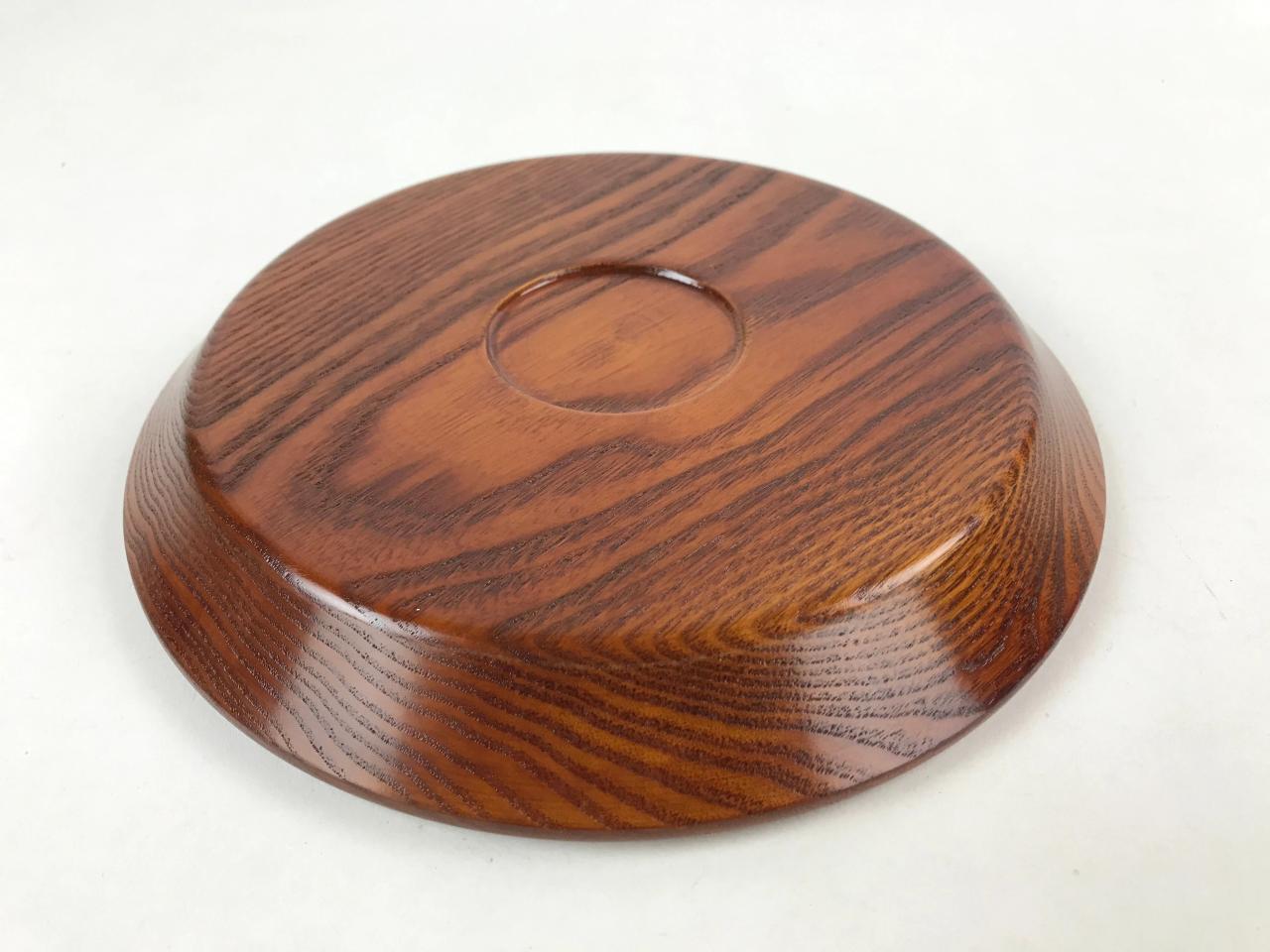
Japanese serving trays, a testament to centuries of craftsmanship, vary significantly in price, reflecting the complexity of the materials and the artistry involved. The cost is not simply about the wood; it’s a reflection of the skill, time, and tradition poured into each piece. From humble everyday use to exquisite collector’s items, the pricing spectrum mirrors the diversity of these functional and aesthetic objects.The cost of a Japanese serving tray is intrinsically linked to several factors.
The type of wood, its rarity, and the quality of its grain all contribute to the price. Furthermore, the intricacy of the design and the level of craftsmanship directly impact the final cost. Traditionally crafted trays, often featuring intricate carvings or meticulously polished surfaces, command higher prices than simpler, more straightforward designs. This reflects the time and dedication required to produce a truly exceptional piece.
Wood Type and its Impact on Price
Different types of wood used in Japanese serving trays have varying degrees of value and desirability. For example, trays crafted from rare hardwoods like cherry or Japanese cedar tend to command a higher price than those made from more readily available woods. The unique grain patterns and color variations of these rarer woods add to their aesthetic appeal and perceived value.
The inherent durability and beauty of these woods are also factors driving the price. This is similar to how certain types of antique furniture from specific regions or eras often command premium prices due to their rarity and historical significance.
Craftsmanship and Design Influence on Cost
The level of craftsmanship employed in the creation of a serving tray is a crucial factor determining its price. Trays featuring intricate carvings, meticulously detailed inlays, or exceptionally smooth finishes will generally cost more than simpler designs. The skill and experience of the artisan directly impact the price. This is comparable to how the level of skill and artistry in a painting or sculpture directly impacts its value.
Similarly, the complexity of the design, including the intricate patterns and symbolic representations, can also contribute to a higher price point.
Sources for Purchasing Japanese Serving Trays
Japanese serving trays can be sourced from a variety of channels. Online retailers offer a broad selection, often at competitive prices, allowing access to a wider range of options for consumers. Local artisan workshops and shops, often found in areas with strong Japanese cultural influences, provide a more personal experience, offering the opportunity to engage with the maker and learn more about the tray’s creation.
Traditional Japanese tea houses and antique shops are also potential sources, although they may cater to a niche market and feature higher-end pieces.
Pricing Models for Japanese Wooden Trays
Japanese wooden trays are typically sold through retail channels. However, some artisans and wholesalers might offer discounted prices for bulk purchases, or customized orders. Retail pricing often reflects the costs of materials, labor, and overhead, and a premium is usually added for unique designs or exceptional craftsmanship. Wholesale pricing, on the other hand, allows for greater volume and thus, lower prices per unit, which may be a crucial factor for restaurants or large-scale events.
Comparative Pricing Table
| Source | Wood Type | Design Complexity | Approximate Price Range (USD) |
|---|---|---|---|
| Online Retailer A | Cherry | Simple | $50-$200 |
| Local Artisan Shop B | Japanese Cedar | Intricate Carving | $200-$800 |
| Antique Shop C | Rare Rosewood | Antique Design | $800-$5000+ |
This table provides a general overview of pricing. Specific prices will vary significantly depending on the unique characteristics of each tray. Factors like the size, condition, and overall aesthetic appeal will also play a role in determining the final price.
Cultural Significance and Symbolism
Beyond their practical function, Japanese serving trays hold profound cultural significance, reflecting the nation’s deep-rooted aesthetic sensibilities and philosophical underpinnings. These meticulously crafted pieces are more than mere vessels; they are potent symbols conveying respect, harmony, and the appreciation of beauty inherent in Japanese culture. The choice of wood, the intricate design, and the careful placement of the tray on a table all contribute to a rich tapestry of meaning.Japanese serving trays are deeply intertwined with the nation’s aesthetic principles, embodying the concept of侘び寂び* (wabi-sabi), which embraces the beauty of imperfection, transience, and the inherent beauty of natural materials.
The simple elegance and unpretentious design of many trays resonate with this philosophy, promoting a sense of calm and appreciation for the present moment.
Symbolism of Wood Types
The selection of wood for a serving tray is not arbitrary; each type carries its own symbolic weight. For example, the warm tones and fine grain of cherry wood often signify elegance and refinement, while the strength and durability of cedar suggest longevity and enduring quality. The subtle variations in wood color and texture contribute to the tray’s unique character, enriching its symbolic value.
Similarly, the use of rarer and more precious woods, like ebony or sandalwood, can add a sense of prestige and status to the occasion.
Representing Aspects of Japanese Culture
Japanese serving trays play a vital role in conveying cultural messages through their form and function. The precise arrangement of dishes on a tray, for example, often reflects the importance of balance and harmony in Japanese aesthetics. The tray’s size and shape also contribute to the overall presentation, suggesting the significance of the occasion and the respect being shown to the recipient.
Trays and Emotional Conveyance
The design of Japanese serving trays is meticulously crafted to evoke specific emotions and messages. A tray adorned with delicate carvings might convey a sense of tranquility and grace, while a more substantial and robust tray might signify strength and resilience. These subtle cues, embedded within the design, allow the trays to act as subtle but powerful communicators, enhancing the social interaction and experience.
Mapping Cultural Aspects to Tray Attributes
| Aspect of Japanese Culture | Attributes of Japanese Wooden Trays |
|---|---|
| Wabi-Sabi | Natural imperfections, simple elegance, appreciation for natural materials, understated beauty |
| Harmony (Wa) | Balanced arrangement of dishes, complementary colors and textures, proportionate size and shape |
| Respect (Sonke) | High-quality materials, meticulous craftsmanship, appropriate size and shape for the occasion |
| Hospitality (Omotenashi) | Aesthetically pleasing presentation, careful selection of food and dishes, display of attentiveness |
| Spirituality | Connection with nature, symbolic representation of transient beauty, mindful appreciation of the present moment |
Ending Remarks
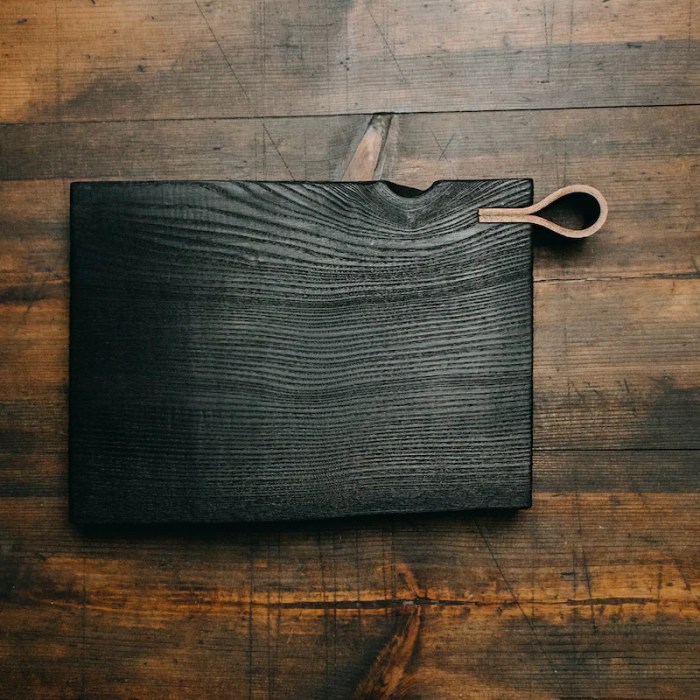
In conclusion, Japanese serving tray wood represents a harmonious blend of artistry, tradition, and practicality. The intricate craftsmanship, diverse wood choices, and historical significance contribute to their enduring appeal. Whether used for formal settings or everyday meals, these trays elevate the presentation of food and embody a timeless aesthetic. Their continued relevance in modern design speaks volumes about their enduring cultural value.
